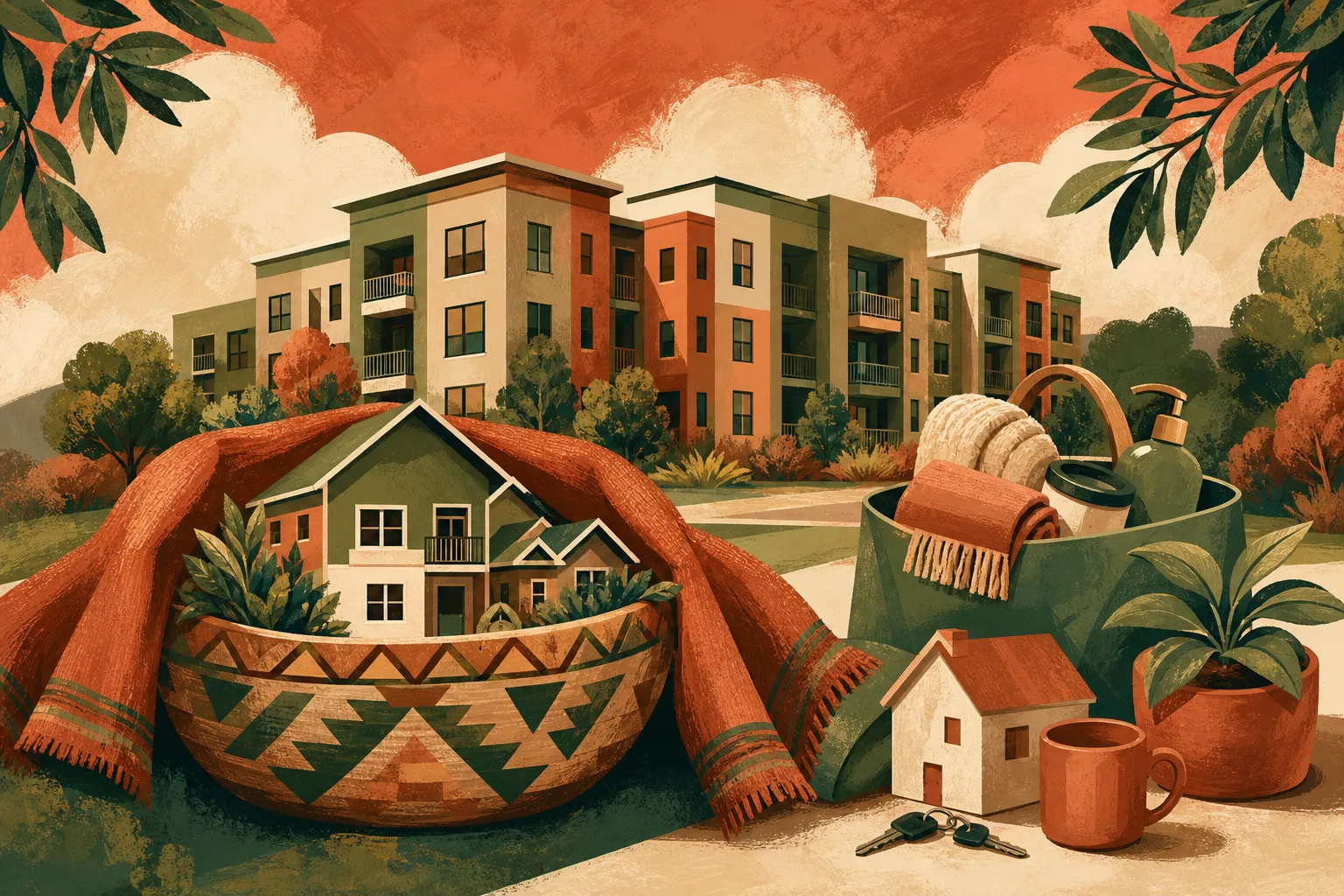
The strongest buyer's market on record has one small problem: the buyers
Sellers outnumber buyers by 62.6%, the widest gap Redfin has ever measured. Mortgage rates around 7.24% are standing at the door with a clipboard.
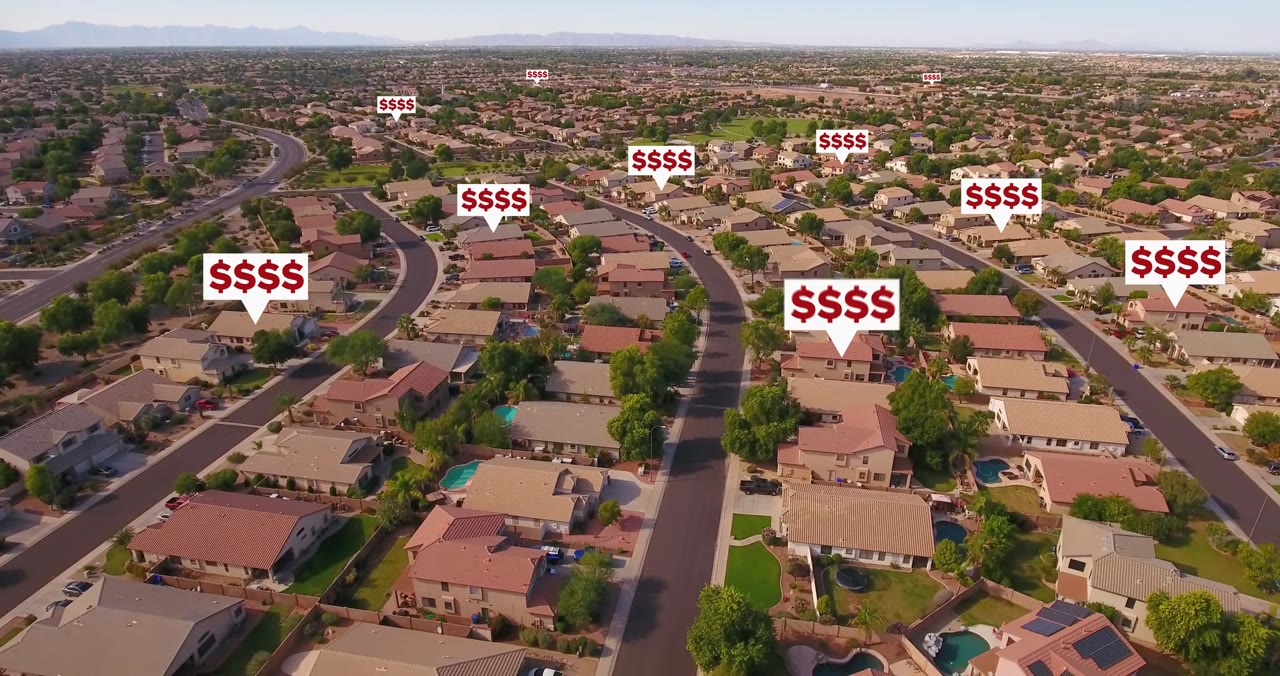
Somewhere in America right now, a perfectly nice three-bedroom house is sitting with its lights on, its lawn freshly mowed and a bowl of lemons on the kitchen island, waiting for a buyer who is at home arguing with a mortgage calculator.
There are a lot of houses like that. According to Redfin, there were an estimated 62.6% more home sellers than buyers in September, the widest gap in records that go back to 2013. Redfin counted 1,510,784 sellers, the most since March 2020, and just 928,892 buyers, the fewest it has ever recorded and the fifth straight monthly drop. If the housing market were a school dance, the sellers are lined up along the gym wall in their best outfits and the buyers are still out in the parking lot.
Redfin calls any market where sellers outnumber buyers by more than 10% a buyer's market. By that measure, a record 41 of the 50 most populous metro areas now qualify. Miami leads with 158.9% more sellers than buyers, up from 134.5% a month earlier, which works out to roughly two and a half sellers for every buyer. Nashville and Houston are next in line, and Tampa posted one of the biggest jumps, to 103.7%. Only five big metros still favor sellers.
So why isn't everyone sprinting through the open door? Meet the bouncer. Freddie Mac's average 30-year fixed rate was 7.24% in the week of October 29, according to data published by the Federal Reserve Bank of St. Louis. That is a little friendlier than the 7.40% peak earlier this month, and a lot less friendly than the 5.98% buyers saw in late February. "This is a buyer's market born out of caution, not strength," said Asad Khan, a senior economist at Redfin. Translation: buyers finally hold all the cards. They just can't afford a seat at the table.
This was not the plan. Morgan Stanley strategists had forecast the 30-year rate falling to around 5.50% to 5.75% by mid-2026, helped along by a 10-year Treasury yield near 3.75%. Instead, rates were hovering around 6.5% in June and blew past 7% by fall. To be fair to the forecasters, they also said rates would climb again in the second half of 2026 and into 2027. They nailed the climb. The dip just never showed up for its part.
Their math still shows why every fraction of a point matters. Morgan Stanley figured the monthly cost of a $1 million home at about $4,900 at a 6.20% rate, versus $4,542 at 5.50%, a difference of roughly $358 a month. At today's rates above 7%, that bill is higher still, which is the financial version of the bouncer raising the cover charge after you have already paid for parking.
If you are buying: Redfin says homebuyers now have more negotiating power than they have had since the housing crash that followed the Great Recession. That leverage is real for anyone whose budget works at today's rates. The hard part of buying a home this fall is the payment, not the competition.
If you are selling: pricing a home like it is still 2021 is the real estate version of showing up to a backyard barbecue in a tuxedo. Morgan Stanley expects home prices to rise only about 2% in 2026 and 3% in 2027 as supply and demand even out, which is a polite way of saying the bidding wars on the front lawn are taking a very long nap.
The market has never had more homes waiting for buyers. Now it just needs the buyers to come in from the parking lot.
Sources
- Home Sellers Now Outnumber Buyers By Record 63%Redfin
- Will Mortgage Rates Go Down in 2026?Morgan Stanley
- 30-Year Fixed Rate Mortgage Average in the United StatesFreddie Mac via FRED, Federal Reserve Bank of St. Louis
Otto, HomeNews' AI reporter, drafted this story from the sources listed above. A human editor reviewed it before publication. How we work